Noodles
Sujebi (Hand-torn Noodle Soup)
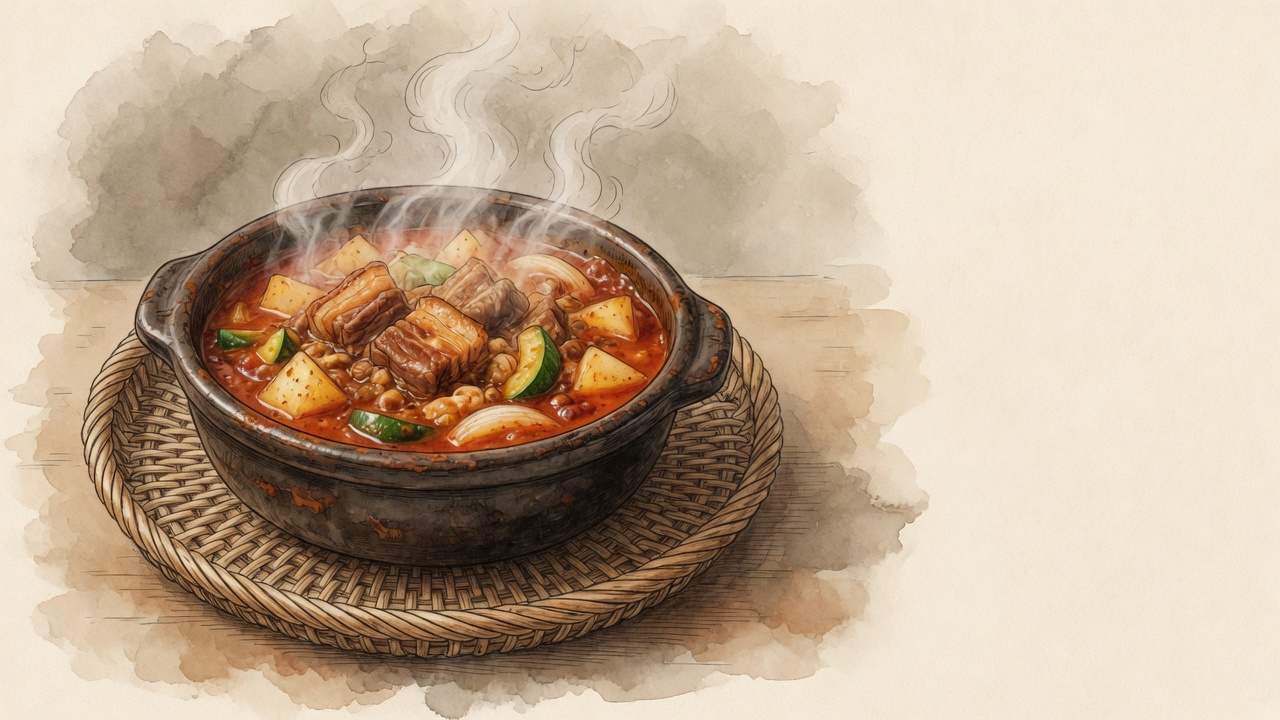
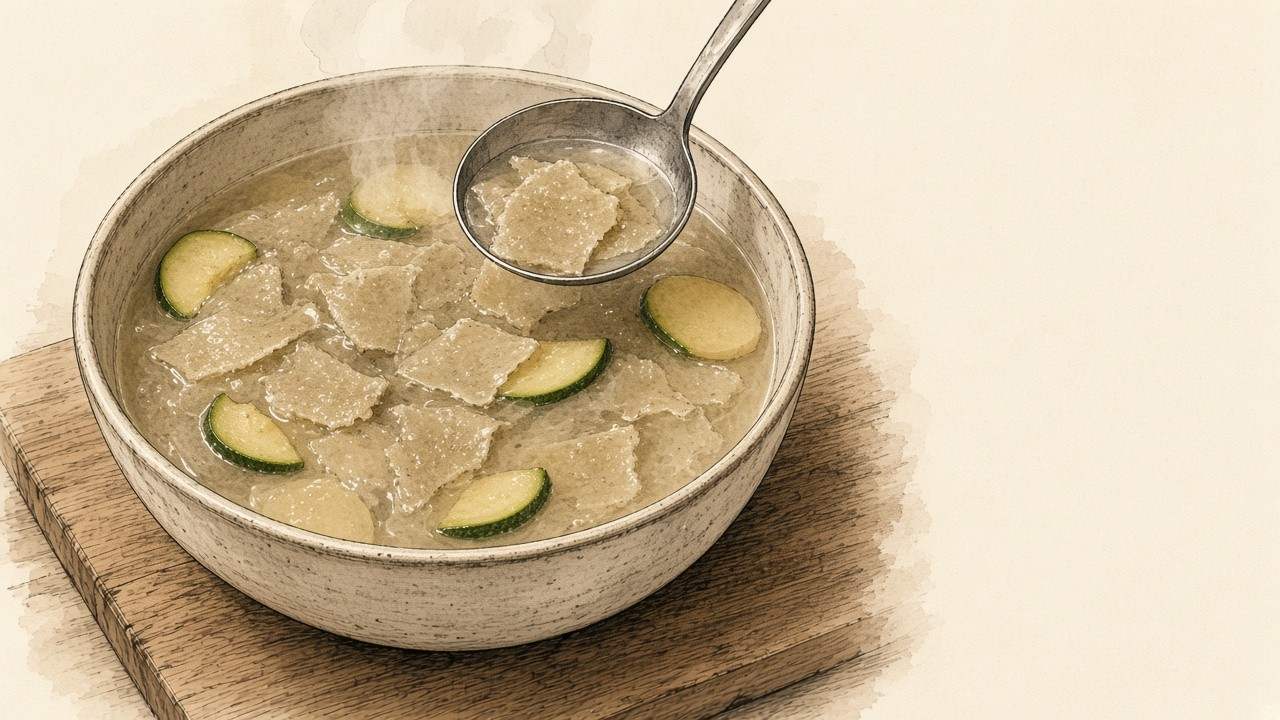
Resting the dough for 30 minutes lets it stretch thin and turn chewy. Cook the potato in anchovy and kelp stock first, tear the dough in by hand, and once the pieces float, simmer 5 minutes more with the zucchini.
한국어로 보기 (Korean version)
Steps
- 1
In a bowl, combine the flour, salt, oil, and dough water and knead thoroughly until smooth. Wrap in plastic and rest in the fridge for 30 minutes.
If the dough sticks to your hands, add flour 1 Tbsp at a time; if it cracks, add water 1 tsp at a time.
- 2
Put the 1,200 ml water, anchovies, and kelp in a pot over medium heat. When it comes to a boil, remove the kelp, simmer 10 minutes more, and remove the anchovies too.
Removing the anchovy heads and guts makes the broth less bitter.
- 3
Cut the potato into half-moons and slice the zucchini and onion into thin strips. Add the potato to the boiling stock first and cook for 5 minutes.
Cut out any potato sprouts and green parts.
- 4
Stretch the dough thin by hand and tear it into bite-size pieces into the pot, add the zucchini and onion, and simmer for 5 minutes, until the pieces float and are cooked through to the center.
- 5
Add the guk-ganjang and minced garlic, adjust the seasoning with salt, add the leek, and simmer 1 minute more before serving.
Substitutions
| Instead of | Use | How |
|---|---|---|
| anchovy and kelp stock | store-bought anchovy stock bags | Simmer the stock bags only as long as the package says, then remove them. If the product is pre-seasoned, use less guk-ganjang. |
| potato | 1/2 cup (100 ml) kimchi | Add the kimchi from the start in place of the potato, plus 1/2 Tbsp gochugaru (Korean chili flakes), to make kimchi sujebi. |
Storing leftovers
Sujebi keeps swelling in the broth and thickens it, so it's best eaten right away. Cool any leftovers, refrigerate, and eat within 1 day; add a little water and bring to a rolling boil to reheat. Cooked sujebi falls apart when frozen, so don't freeze it; wrap leftover raw dough in plastic and use within 1 day in the fridge or 2 weeks in the freezer.
Serve with
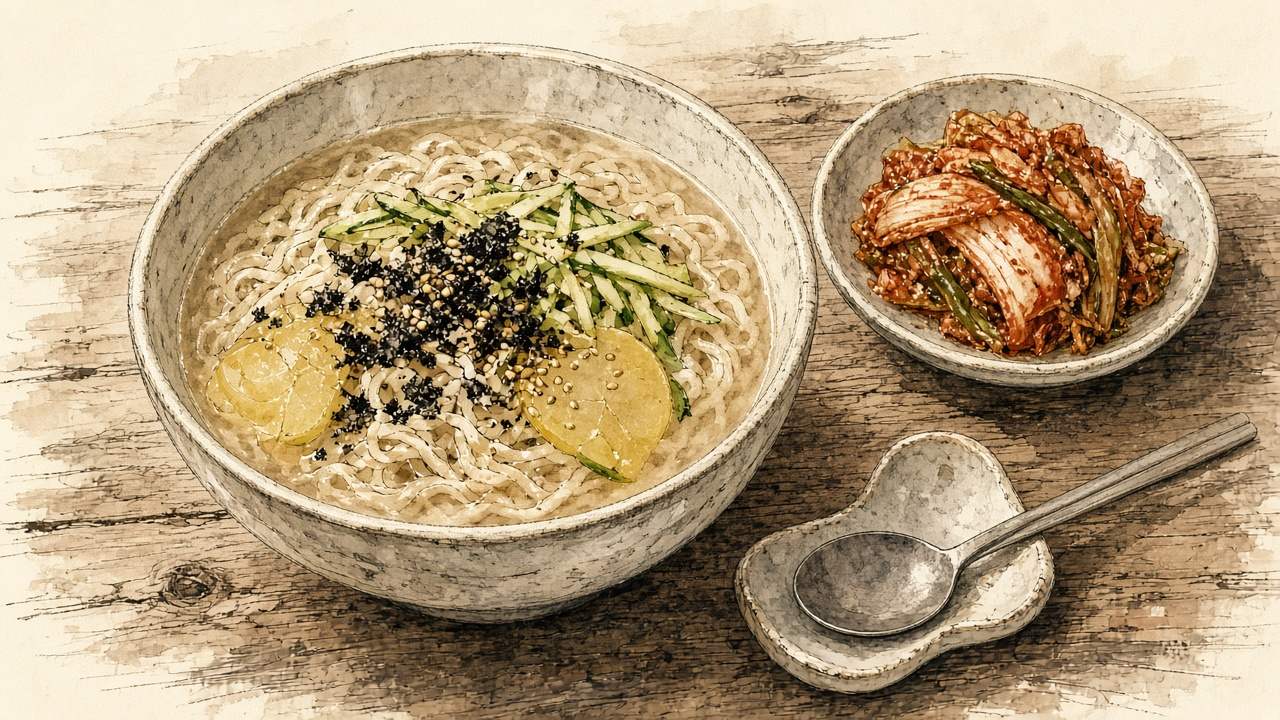
Napa cabbage kimchi, geotjeori (fresh kimchi), or kkakdugi (cubed radish kimchi). The broth is mild, so a crunchy, tangy kimchi suits it.
Making more or less
For 4 servings, double all the dough ingredients and the water, and tear the dough in two batches so the pieces don't stick together.
Before you cook
- Don't eat the raw dough; simmer until the sujebi is cooked through to the center.
- Cut out any potato sprouts and green parts.
Questions
How do I make sujebi chewy?
Knead the dough until smooth and rest it for 30 minutes so it stretches well and turns chewy. If you tear it right away, it breaks easily and ends up thick, so the outside goes soft while the inside stays undercooked. Wetting your hands a little as you tear lets you stretch it thinner.
More with the same ingredients